Your website might look great, but if visitors aren't converting into customers, you're missing out on serious revenue. A strategic website redesign focused on conversion optimization can turn your site from a digital brochure into a sales machine.
This guide is for business owners, marketers, and web designers who want to boost their website conversion rate through smart redesign decisions. Instead of guessing what works, you'll learn proven website redesign best practices that actually move the needle on your bottom line.
We'll walk through how to conduct a thorough website performance audit to identify what's holding back your conversions. You'll discover site architecture optimization strategies that guide visitors smoothly toward your goals. Plus, we'll cover conversion-focused design principles and website loading speed optimization techniques that keep people engaged and ready to buy.
Ready to transform your website into a conversion powerhouse? Let's dive into the essential elements that make redesign for conversions actually work.
Audit Your Current Website Performance

Analyze conversion funnel bottlenecks
Your website performance audit starts by examining where potential customers abandon their journey. Use analytics tools to track user behavior from entry point to conversion, identifying specific pages where drop-off rates spike unexpectedly. Heat mapping software reveals click patterns and scroll depth, showing exactly where visitors lose interest or encounter friction during the conversion process.
Identify high-exit pages and user drop-off points
High-exit pages signal critical issues that directly impact your website conversion rate. Focus on pages with above-average bounce rates, especially those in your primary conversion paths. Session recordings provide invaluable insights into user frustrations, revealing broken links, confusing navigation, or content that fails to meet visitor expectations.
Review mobile responsiveness and loading speeds
Mobile traffic dominates today's web landscape, making responsive design non-negotiable for conversion optimization. Test your site across multiple devices and screen sizes, ensuring seamless functionality and visual appeal. Website loading speed optimization directly correlates with conversion performance – even one-second delays can reduce conversions by up to 7%.
Assess current user experience pain points
User experience pain points create invisible barriers between visitors and conversions. Survey existing customers about their website journey, identifying moments of confusion or frustration. Common issues include unclear call-to-action buttons, lengthy forms, missing product information, or complicated checkout processes that sabotage your website redesign efforts.
Optimize Navigation and Site Architecture
Streamline menu structure for intuitive browsing
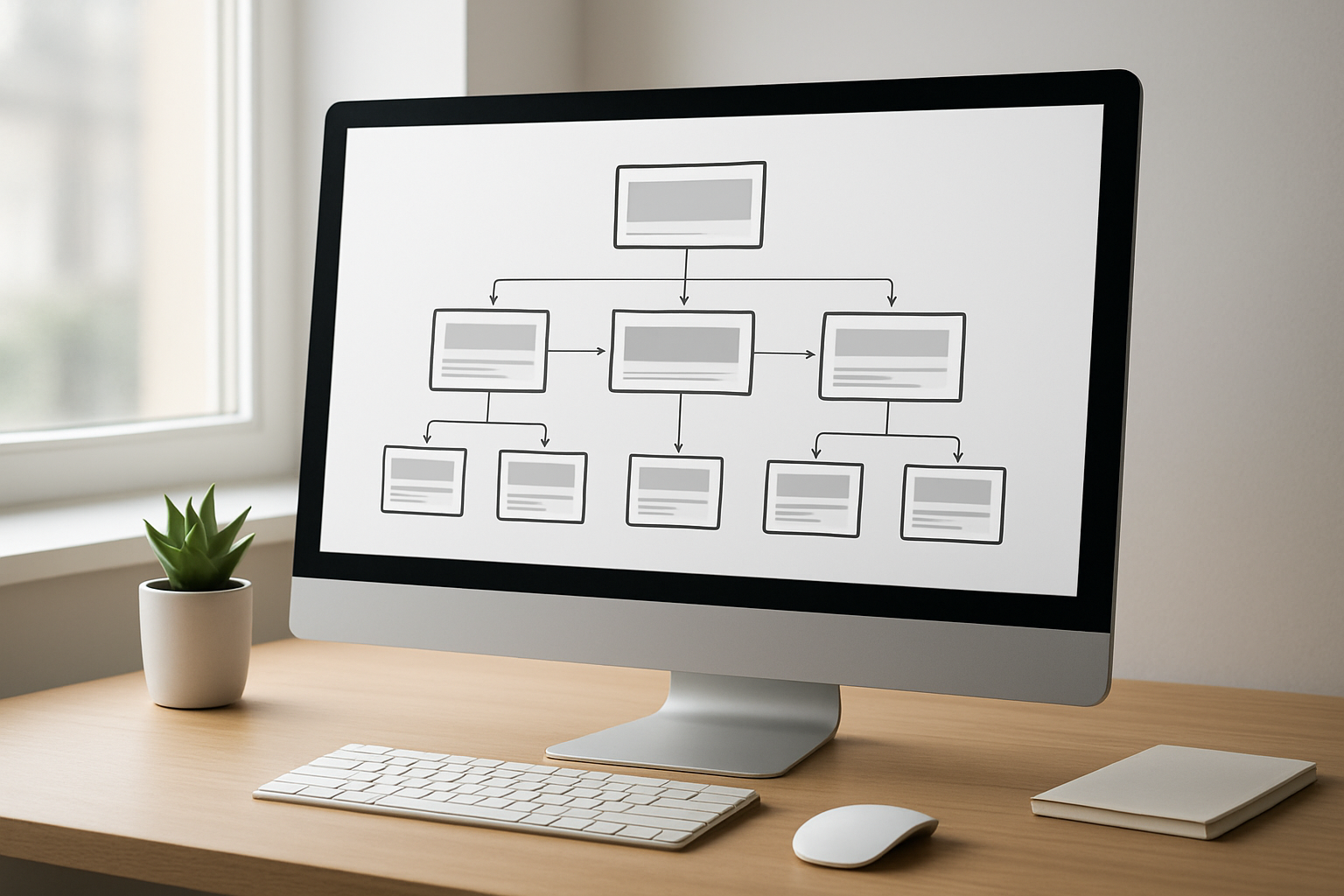
Your navigation menu acts as the roadmap for visitors exploring your website redesign. Clean, organized menus with clear categories help users find what they need quickly, reducing bounce rates and improving conversion optimization. Limit main menu items to 7 or fewer options, using descriptive labels that match user expectations rather than internal jargon.
Implement clear call-to-action placement
Strategic CTA placement transforms browsers into customers during your website redesign. Position primary action buttons above the fold and repeat them throughout long pages using contrasting colors and compelling copy. Test different placements and messaging to maximize website conversion rate improvements.
Create logical page hierarchies and internal linking
Well-structured site architecture optimization guides users naturally toward conversion goals. Build clear parent-child page relationships that reflect your customer journey, linking related content strategically. This approach not only improves user experience but also strengthens SEO performance, making your redesign for conversions more effective across all touchpoints.
Enhance Visual Design for Trust and Engagement
Modernize color schemes and typography for credibility
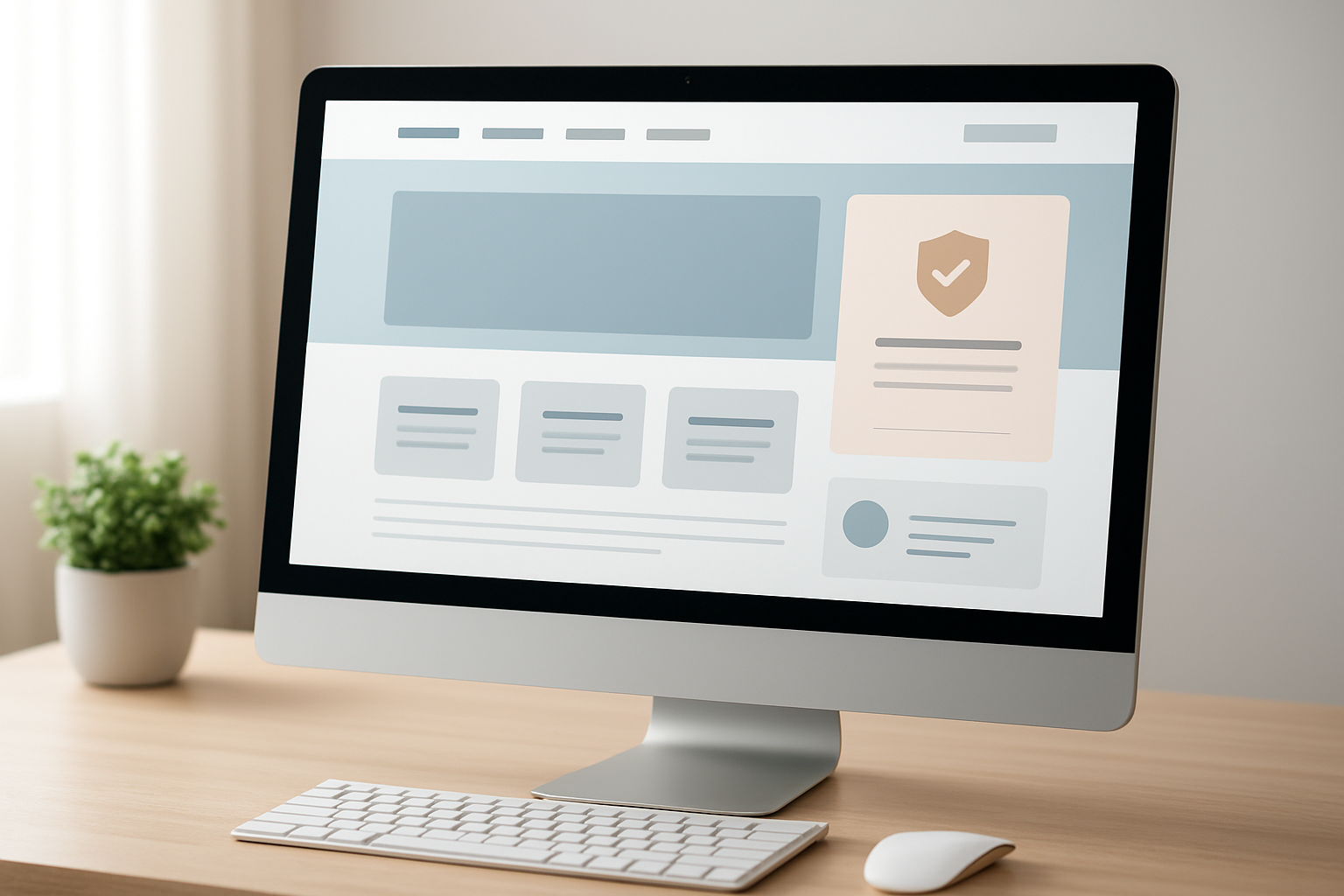
Your color palette and fonts speak volumes before visitors read a single word. Modern businesses need clean, professional color schemes that reflect their brand values while creating visual hierarchy. Choose typography that's both readable and personality-driven – pair a distinctive header font with clean body text. This combination builds immediate trust and keeps users engaged throughout their journey.
Incorporate high-quality images and professional graphics
Stock photos that scream 'generic business meeting' kill conversions faster than slow loading times. Invest in custom photography that showcases real people using your products or services. Professional graphics, icons, and illustrations should align with your brand voice while guiding users toward conversion points. High-resolution visuals demonstrate attention to detail and professionalism that customers expect.
Ensure consistent branding across all pages
Brand consistency creates familiarity and trust as users navigate your site. Maintain uniform color usage, logo placement, and messaging tone from homepage to checkout. Your website redesign should feel like one cohesive experience, not a collection of random pages. Consistent branding reduces cognitive load and helps visitors focus on your conversion-focused design elements.
Implement white space for improved readability
White space isn't wasted space – it's a powerful design tool that improves comprehension and guides attention. Strategic spacing around key elements like call-to-action buttons makes them stand out naturally. Generous margins and line spacing reduce visual clutter, making your content more digestible. Well-planned white space creates breathing room that prevents overwhelming visitors with too much information at once.
Add social proof elements and testimonials
Customer testimonials and reviews act as conversion catalysts by addressing prospect concerns through peer validation. Place authentic testimonials near decision points like pricing tables or sign-up forms. Include customer photos, company names, and specific results when possible. Social proof widgets showing recent purchases or user counts create urgency and demonstrate popularity, encouraging immediate action.
Improve Page Loading Speed and Technical Performance

Optimize images and media files for faster loading
Page speed directly impacts your website conversion rate, with even a one-second delay reducing conversions by up to 7%. Start by compressing all images using tools like TinyPNG or WebP format, which can reduce file sizes by 80% without visible quality loss. Replace heavy video files with optimized formats like MP4 and consider lazy loading for images below the fold.
Minimize code and eliminate unnecessary plugins
Clean, streamlined code forms the backbone of website loading speed optimization. Remove unused CSS and JavaScript files, minify remaining code, and audit your plugins regularly. Each additional plugin adds database queries and HTTP requests that slow down your site. Keep only essential plugins that directly support your conversion goals and website redesign objectives.
Implement caching and content delivery networks
Browser caching and CDNs dramatically improve website performance by storing static files closer to your users. Set up browser caching to store frequently accessed files locally, reducing server requests on return visits. Deploy a CDN like Cloudflare to distribute your content across global servers, ensuring faster load times regardless of user location and supporting your overall website redesign best practices.
Create Compelling and Conversion-Focused Content
Craft persuasive headlines and value propositions
Your headlines determine whether visitors stay or bounce within seconds. Create clear, benefit-focused headlines that speak directly to your target audience's main concerns and desires. Replace generic phrases like 'Welcome to our website' with specific value statements that highlight what visitors gain from choosing your business.
Write benefit-driven copy that addresses customer pain points
Transform feature-heavy descriptions into benefit-focused messaging that resonates with real customer struggles. Instead of listing technical specifications, explain how your solution makes customers' lives easier, saves them time, or solves their pressing problems. This conversion-focused approach helps visitors quickly understand why they need your product or service.
Optimize product descriptions and service explanations
Structure your product descriptions with scannable bullet points, clear headings, and compelling visuals that work together to guide purchase decisions. Focus on outcomes rather than processes - show customers the end result they'll achieve. Include social proof elements like testimonials or reviews directly within product pages to build trust and credibility.
Include clear pricing and package information
Remove pricing confusion by presenting transparent, easy-to-understand package options with clear value differentiators. Display pricing prominently without forcing visitors to hunt through multiple pages. Create comparison tables that highlight the best value option while ensuring all pricing tiers clearly communicate what customers receive at each level.
Implement Advanced Conversion Optimization Techniques

Add Exit-Intent Popups and Lead Magnets
Exit-intent popups capture visitors who are about to leave your website by detecting mouse movement toward the browser's close button. These popups can offer valuable lead magnets like free ebooks, discount codes, or exclusive content in exchange for email addresses. The key is timing and relevance - show visitors something they actually want based on the page they're leaving.
Create Urgency Through Limited-Time Offers
Urgency triggers psychological responses that drive immediate action. Display countdown timers for flash sales, show limited stock quantities, or highlight exclusive offers that expire soon. This conversion optimization technique works because it creates fear of missing out, pushing hesitant visitors to complete their purchase before the opportunity disappears.
Optimize Checkout Process and Reduce Form Fields
Streamline your checkout by eliminating unnecessary form fields and offering guest checkout options. Each additional field creates friction that can cause cart abandonment. Use autofill features, progress indicators, and multiple payment methods to make the process as smooth as possible. A simplified checkout directly impacts your website conversion rate.
Install Live Chat and Customer Support Features
Real-time customer support removes purchase barriers by addressing concerns immediately. Live chat widgets, chatbots, and support ticket systems build trust and provide instant assistance when visitors have questions. This personal touch often makes the difference between a bounce and a conversion, especially for higher-priced products or services.
Conclusion
Getting your website redesign right can make a huge difference in how many visitors actually become customers. The key areas we've covered - from auditing your current performance to optimizing navigation, improving visual design, boosting site speed, crafting better content, and adding smart conversion techniques - all work together to create a smoother experience for your visitors. When people can easily find what they need and trust what they see, they're much more likely to take action.
Now's the time to roll up your sleeves and start implementing these changes. Don't try to tackle everything at once - pick one or two areas that need the most attention and focus there first. Track your results as you go, and remember that even small improvements can lead to big wins in conversions. Your website should work as hard as you do to grow your business, so give it the attention it deserves.
If you're unsure where your website is losing conversions, a professional audit is the best place to start. Get expert guidance and a clear plan to redesign your website for better performance and measurable growth.