
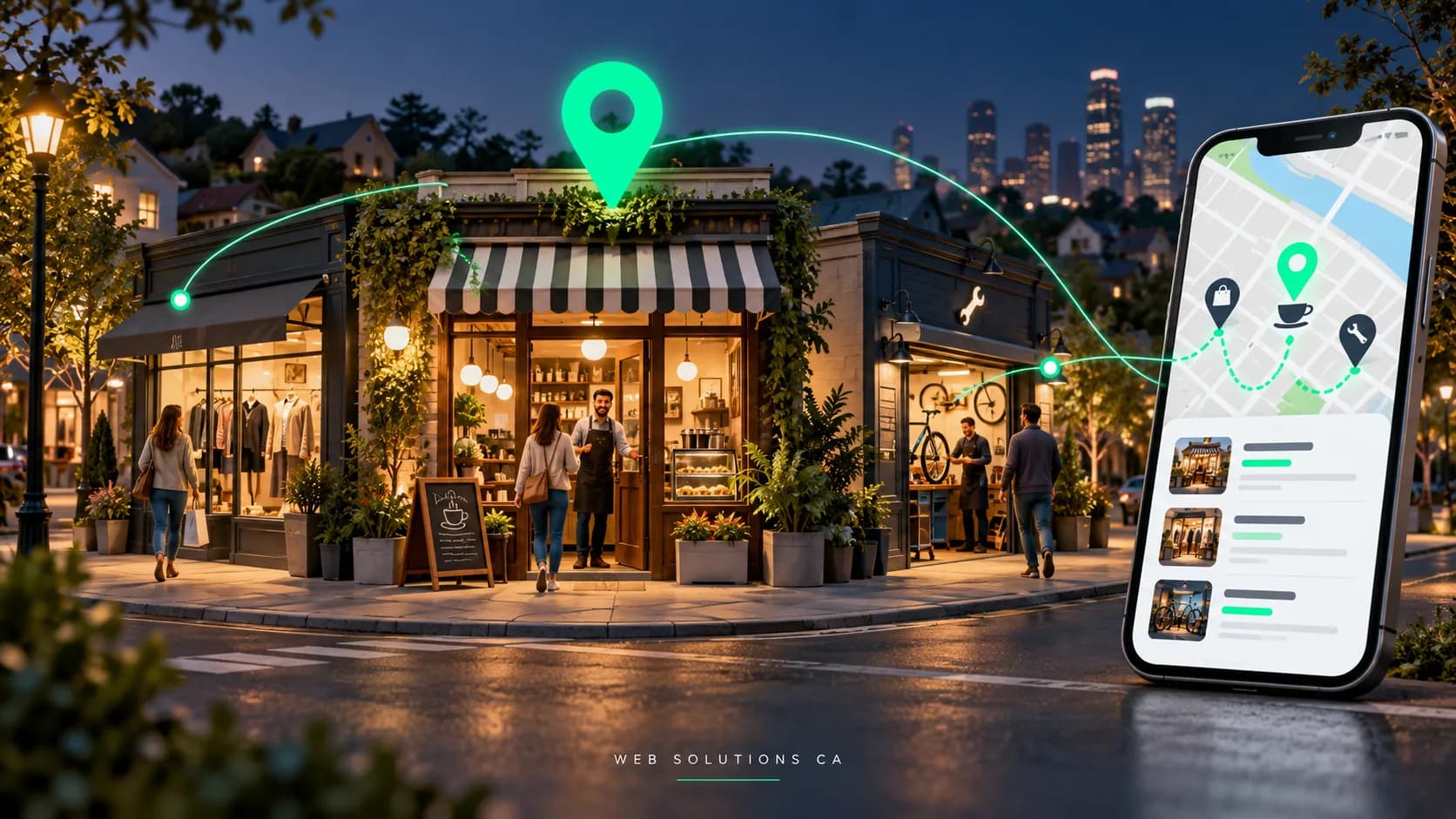
Why Is Local SEO Important for Small and Medium Businesses?
Search for your own service in your city. Does your business show up, or do you see the same three competitors every time? If customers find them first, those businesses get the first chance to win the call, even when you offer a better service.
That is why local SEO matters for small and medium businesses. It helps you appear when nearby customers search for what you offer, then gives them the details they need to choose you: reviews, services, hours, and a clear way to get in touch.
Why is local SEO important for your business? This guide explains how it supports calls, bookings, and visits, what to focus on first, and how to measure results.
What Is Local SEO?
Local SEO improves your business’s visibility in nearby searches. It helps customers find your services through Google Search, Google Maps, and your Google Business Profile. Local SEO focuses on reaching nearby customers, while broader SEO can target audiences across a wider area. Our guide to local SEO vs. traditional SEO explains the difference.
Why Is Local SEO Important?
When someone searches for a nearby service, Google aims to show businesses that match their needs and location. Its local results depend mainly on relevance, distance, and prominence.
For your business, that means clearly explaining what you offer, optimizing your Google Business Profile, and building a trustworthy online presence. Local SEO helps Google understand your business and connect it with relevant searches.
How Local SEO Connects Your Business With Nearby Customers
One of the main benefits of local SEO is helping nearby customers find your business when they need your services.
Where Customers Encounter Your Business Across Search and Maps
Customers can discover you through Google Maps, the local pack, or ordinary website results on search engine results pages (SERPs).
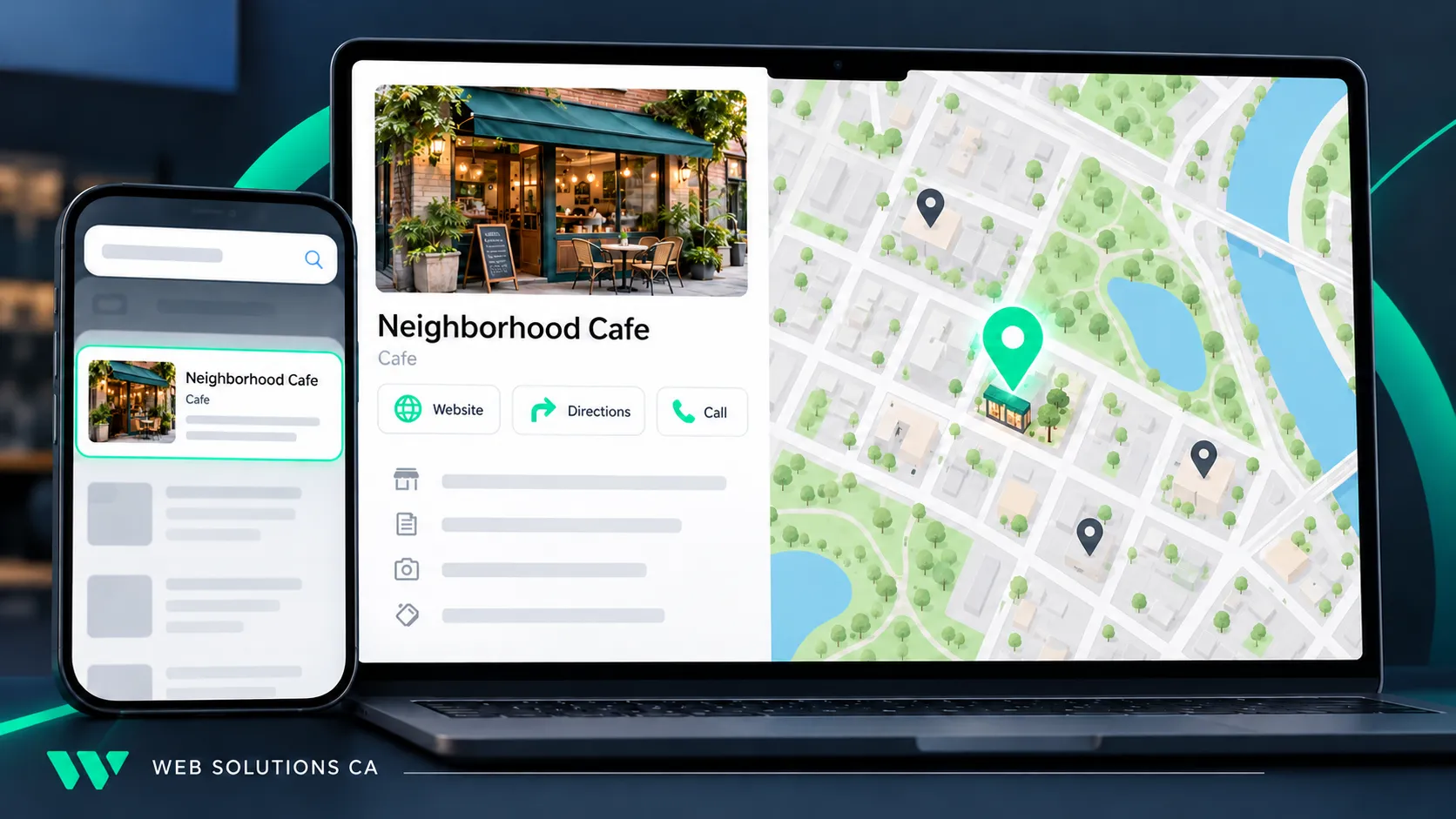
A Maps listing might prompt a call. A service page can answer questions. Local search engine optimization supports your website and Google Business Profile (GBP) together.
How Local Searches Match Customers With Relevant Businesses
Someone searching for an accountant nearby has different search intent from someone learning accounting basics. Local keywords help you understand that difference and describe the services people actually need.
Turning Nearby Searches Into Calls, Visits, and Bookings
Turning visibility into business depends on matching customer needs and making it easy to contact you. Relevant visibility helps you reach customers considering options.
This is why local SEO is important for small businesses: it helps you reach nearby people looking for your services. A smaller number of relevant visitors can be more useful than broad traffic from places you cannot serve.
Making the Next Step Easy With Clear Business Information
Clear and accurate business information helps customers connect with your business easily. Mobile SEO optimization should make it simple for users to find information and take action.
- Keep phone numbers, business hours, and contact details up to date.
- Provide clear appointment links and booking options.
- Ensure calling and booking are easy on mobile devices.
- Use simple menus and a mobile-friendly design so users can find information quickly.
Giving Customers Reasons to Choose You Before They Visit
Before someone calls, they want to feel comfortable choosing you. Your online presence can provide that reassurance before you ever speak.
Reducing Uncertainty With Reviews, Photos, and Service Details
Online reviews, photographs, and service descriptions help customers understand what to expect before spending money.
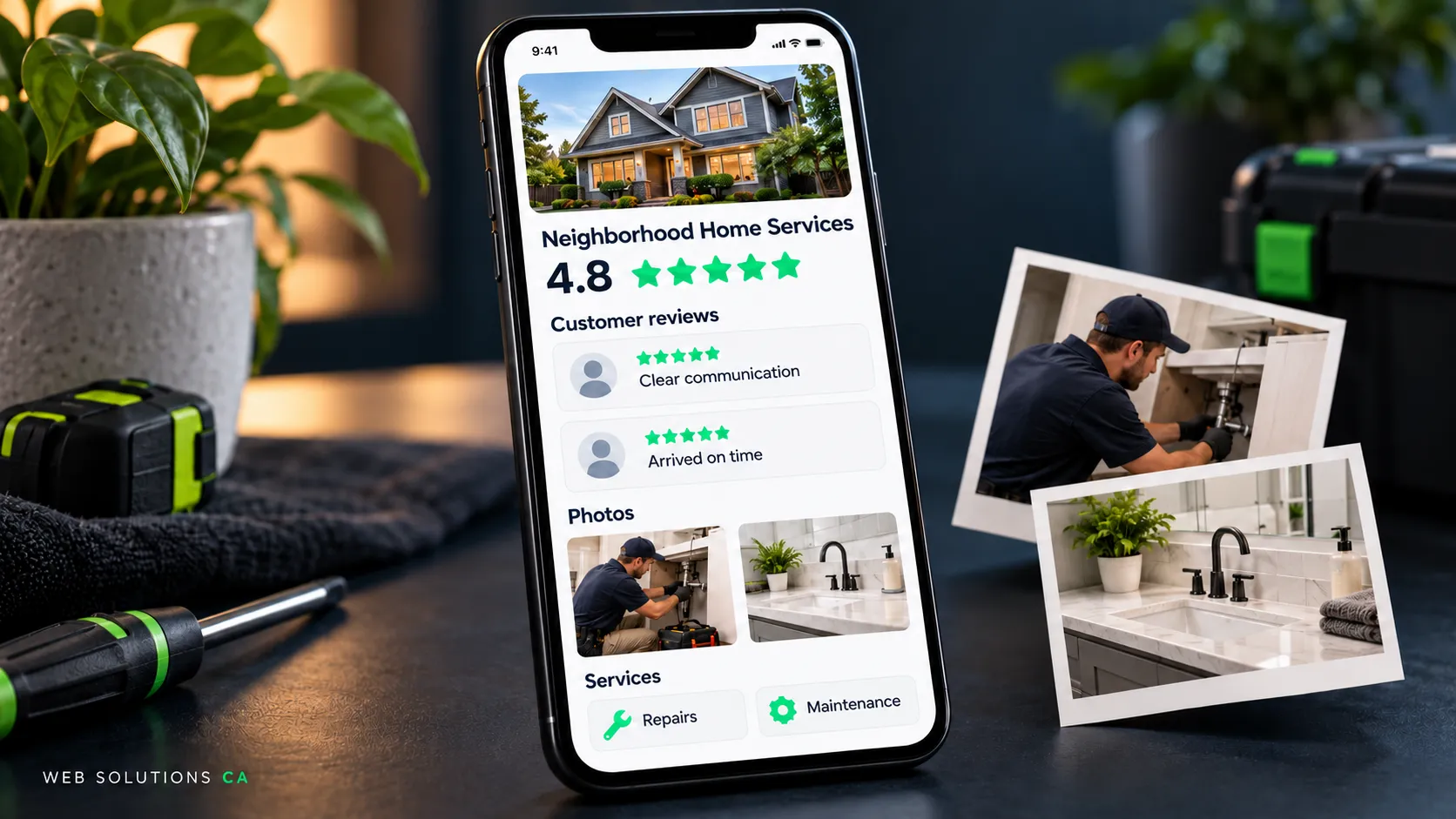
Customer review management involves encouraging honest feedback and responding to reviews professionally. It also strengthens online reputation management by showing customers how you handle concerns. Google says review quantity and positive ratings can help local rankings, so focus on genuine customer experiences and use these strategies to get more Google reviews.
Keeping Your Website and Business Listings Consistent
NAP means name, address, and phone number. Consistent NAP details help customers contact or visit you.
Check your website, Google Business Profile, Yelp, and relevant local directory listings. Correct outdated information and duplicate entries where appropriate. Building consistent local business citations means maintaining useful, accurate records, not collecting listings on every directory you can find.
Helping Independent Businesses Win Within Their Service Area
A targeted local strategy helps your business appear in relevant searches and connect with nearby customers. Here are two easy ways to do it:
Finding the Right Local Keywords and Services
Not every business needs to target broad industry searches. Focusing on specialized services and specific service areas can help you reach customers who are more likely to need what you offer.
- Use Google Keyword Planner to discover relevant local search terms.
- Research the questions customers ask about your services.
- Include location-specific keywords naturally in your website content.
- Highlight the services and areas your business genuinely covers.
Building Local Trust Through Helpful Content
Useful local content shows customers that you understand their needs and the area you serve. It can also help you build relationships that strengthen your online presence.
- Create content that answers questions about your services.
- Share practical advice relevant to local communities.
- Connect with organizations and complementary businesses.
- Earn relevant local backlinks through genuine partnerships and contributions.
Building Another Source of Leads Beyond Paid Advertising
Ads can bring customers to your business, but you pay for that exposure. Local SEO gives people another way to find you through Google Search and Maps.
Balancing Immediate Ad Campaigns With Ongoing Local Discovery
| Paid Advertising | Local SEO |
|---|---|
| Useful for promoting an offer quickly | Helps customers discover your services over time |
| Requires a budget to keep ads running | Requires ongoing work on your website and business profile |
| Paid exposure stops when the campaign ends | Your business can still appear in unpaid results when ads stop |
You can use both approaches based on your needs and budget. If funds are limited, start with accurate business details and helpful service pages. Explore these affordable local SEO strategies to prioritize your efforts.
Evaluating Local SEO Through Qualified Inquiries, Bookings, and Sales
Rankings can show progress, but you also need to know whether people are becoming customers. A regular local SEO audit can help identify issues affecting your visibility and performance. Track:
- Relevant inquiries: Are people asking about services you offer?
- Bookings: Are those inquiries turning into appointments?
- Sales: Are new customers bringing in business?
A click on your phone number does not always mean a completed call. Compare online activity with actual inquiries and bookings to understand what is working.
How Local SEO Priorities Differ by Business Size and Service Model
| Business model | First priority | Useful outcome to track |
|---|---|---|
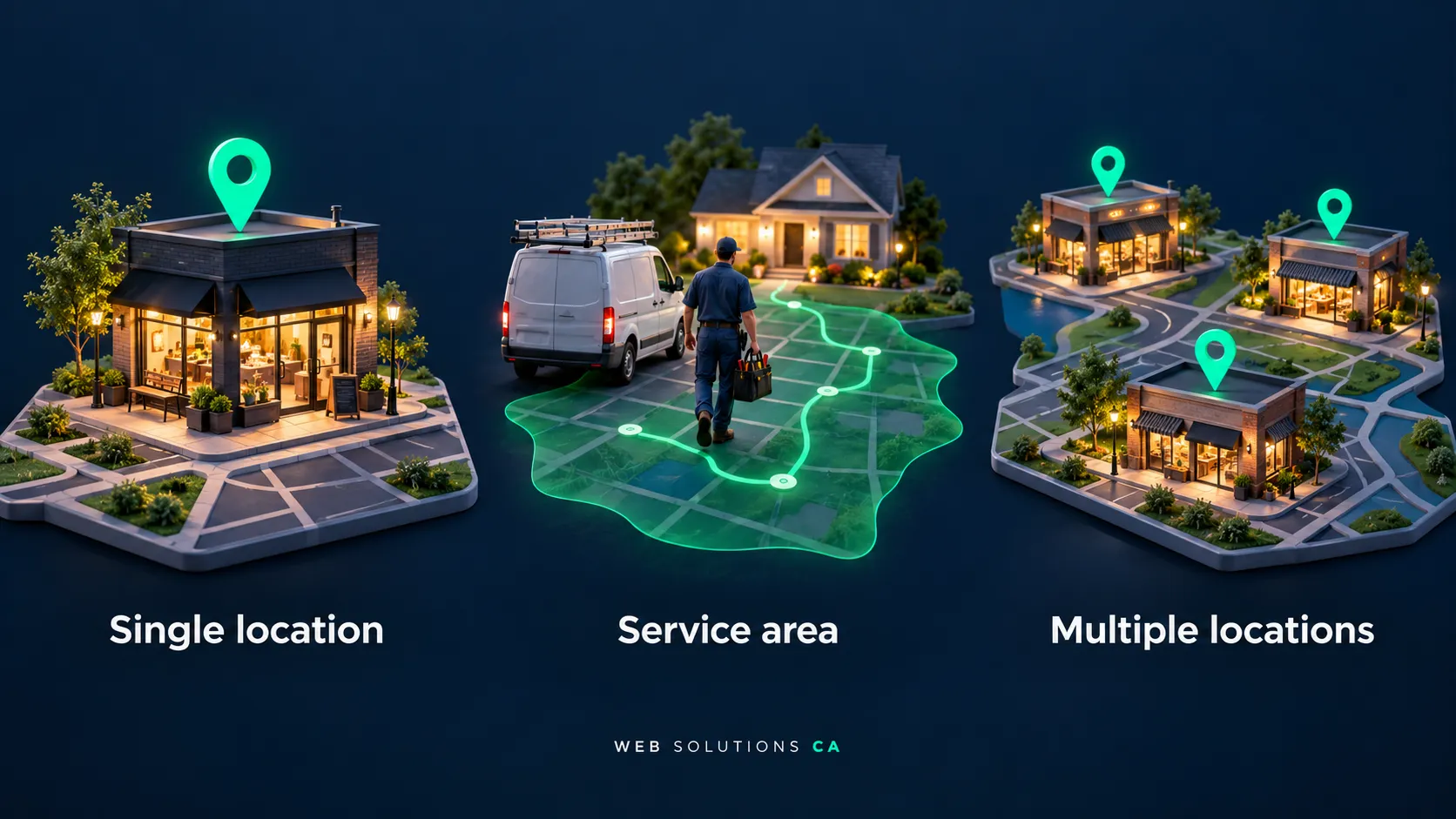
| Small, single location | Core services and accurate contact details | Qualified calls and bookings |
| Medium, multiple locations | Location information and coordinated updates | Inquiries by branch |
| Service business without a storefront | Genuine coverage and clear availability | Requests from areas served |
For Small Businesses: Getting Found for Core Services
If you have one location and limited time, focus on your most valuable services. Build a strong small business SEO foundation with accurate business details, helpful service pages, and clear contact options. Keep your Google Business Profile updated and follow the appropriate verification steps outlined in this Google Business Profile verification guide.
For Medium Businesses: Managing Visibility Across Multiple Locations
Each real location needs accurate information, useful website coverage, and someone responsible for updates. Give customers meaningful location details. Track local business visibility and inquiries by branch to identify where content, listings, or lead handling need improvement.
For Service Businesses: Reaching Customers Without a Storefront
If you visit customers, your website should explain where you work and what you offer. Follow Google's profile rules for service-area businesses, including address visibility requirements. Help people understand availability, travel coverage, and how to arrange service before they contact you.
Frequently Asked Questions
Does Local SEO Matter If Most Customers Come Through Referrals?
Yes. A recommendation often prompts someone to search your name, read reviews, or check your website before calling. Accurate localized search results can help confirm that recommendation.
Can a Business Benefit From Local SEO Without Selling Online?
Yes. Your website can support calls, consultations, bookings, and in-person purchases without an online checkout. Local social media marketing can reinforce useful business information and share location-relevant content.
When Should a Business Combine Local SEO With Broader SEO?
Combine them when you serve nearby customers and also attract a wider audience. Broader educational content can support research, while local pages address service availability. For voice search optimization, answer real questions clearly.
Make Local SEO Part of Your Business Growth Plan
Local SEO helps nearby customers find your business, understand what you offer, and feel confident contacting you. Start with accurate business details, clear service pages, and honest customer reviews. Then track calls, bookings, and sales to see how your efforts support business growth.
If you need help deciding where to start, explore Web Solutions CA’s local SEO services. We can help you identify priorities and build a practical plan that fits your business, service area, and budget.